Purpose of Roof Inspections
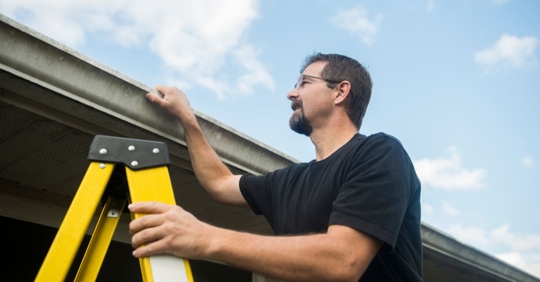
Regular roof inspections are not just a proactive approach; they are essential in preserving the very core of your home’s structure. Think of them as a health check-up for your house—a preventative measure that allows you to spot potential problems before they escalate into costly repairs. Roofs are constantly exposed to environmental stressors such as wind, rain, sunlight, and temperature fluctuations. Over time, these elements can compromise the integrity of your roofing material, leading to leaks, mold, or even structural damage. By conducting timely inspections, homeowners can identify issues like loose shingles, cracked flashings, or blocked gutters early, preventing minor problems from snowballing into major renovations that could burden their finances.
Frequency of Inspections
Determining how often roof inspections should be performed is dependent on several factors, such as the local climate, the age and condition of the roof, and recent weather events like severe storms. Generally, it's recommended to schedule inspections at least twice a year—once in the spring and once in the fall. However, roofs that are older or have been subjected to extreme weather conditions may require more frequent assessments. Understanding these dynamics can help homeowners create a tailored inspection schedule that aligns with their needs. Staying ahead of damage not only increases the efficiency of your roofing system but also vastly extends its lifespan, ensuring your home remains a safe haven through every season.
Shingles and Roofing Material Check
When it comes to examining the shingles and overall roofing material, there are a number of critical indicators to look for that can help assess the roof's health. Check for signs of wear like curling, cracking, or missing shingles, which indicate aging or storm damage. Asphalt shingles may suffer from granule loss, leaving the underlayer exposed and vulnerable to environmental damage. Metal roofs, on the other hand, require scrutiny for rust, corrosion, or loose panels, while tiles should be investigated for cracks or displaced pieces. Each roofing material has its unique set of problems; hence, knowing what to look for can enormously aid in making informed decisions about maintenance or replacement.
Structural Elements and Flashing
While the materials on top of your roof are important, what's supporting it underneath deserves equal attention. Structural components such as rafters, trusses, and flashing around chimneys and vents must be checked for any signs of rust, cracks, or separations. These elements play a crucial role in sustaining the integrity of your roof structure by providing support and preventing water infiltration through flashing. Poor or damaged support systems can lead to noticeable sagging and may compromise the safety of your home over time. Investing in a thorough inspection of these components not only aids in maintaining the architectural durability but also shields your home from potential major overhauls.
Visible Leaks and Water Stains
Being able to recognize visible leaks and water stains promptly can make all the difference in mitigating further roofing damage. If you notice discolored spots on interior walls or ceilings, that's a clear indication of moisture intrusion, which could lead to mold growth. Such signs often point to compromised shingles, broken flashings, or an overflowing gutter system. Addressing water damage quickly not only safeguards your home’s interior but also prevents extensive deterioration that could affect the structural components. Immediate action can save homeowners from costly repairs or replacements, preserving the value and safety of the property in the long run.
Sagging Roof and Compromised Structural Integrity
A sagging roof is a glaring red flag that needs urgent attention, as it could lead to devastating structural failures. It often indicates compromised supports such as weakened rafters or trusses, which might be due to prolonged exposure to moisture or excessive load. Sagging impacts the overall stability of the house; hence, catching this symptom early can prevent catastrophic damage. Recognizing signs of structural compromises like uneven settlement, cracks in the ceiling or wall, and misalignment of the roofline should prompt homeowners to seek professional evaluations. Prompt action not only prevents further deterioration but also assures that your home remains a safe abode for its occupants.
Use of Technology in Inspections
With the advent of technology, roof inspections have become significantly more detailed and accessible. Tools like drones are revolutionizing this space by providing bird’s-eye views of your roof, allowing inspectors to reach difficult spots without compromising safety. Similarly, infrared thermography reveals hidden leaks or insulation problems by detecting temperature variations across the rooftop. Moisture meters are handy gadgets that measure moisture levels within the structural elements—crucial for preventing mold and rot from setting in. These advanced technologies, combined with professional know-how, furnish a comprehensive analysis that helps homeowners make informed decisions about maintenance and repairs.
Safety Equipment and Best Practices
Conducting roof inspections demands stringent safety measures to prevent accidents. Using proper safety equipment like harnesses, helmets, and non-slip footwear can significantly reduce the risk of falls or injuries. Embracing best practices such as climbing at a safe angle, avoiding roof inspections during wet or windy days, and staying aware of surroundings are imperative for a risk-free experience. Knowing and adhering to these safety protocols not only protects the inspector but also lays the groundwork for a thorough and successful inspection. Prioritizing safety reflects a responsible approach to roof examination, ensuring that the task is carried out efficiently without compromising personal or property safety.
Evaluating Inspection Reports
Inspection reports are invaluable resources that offer insights into the current state of your roof. They differentiate between cosmetic issues like surface discoloration and critical ones, such as leaks or sagging, that need immediate attention. Understanding these nuances is crucial when prioritizing repairs because it ensures resources are allocated where they’re most needed, alleviating future problems. Reports should be reviewed diligently, weighing the urgency and impact of each issue noted. A well-evaluated report assists homeowners in strategizing repairs efficiently, ultimately preserving the roof's durability and functionality.
Budgeting and Financing Repairs
Budgeting for roof repairs can seem daunting, but understanding your options makes the task manageable. There are several pathways to financing repairs, from personal savings to home equity loans or specialized improvement loans. Researching thoroughly to find the choice that suits your financial situation helps plan repairs without straining your finances. It's also wise to obtain quotes from multiple roofing contractors, which provides clarity about the expected expenses, helping you structure your budget accordingly. Proper planning assures that the necessary repairs are carried out promptly, boosting the longevity of your roof and safeguarding the value of your home.
Choosing the Right Roofing Professional
Selecting the right roofing professional is crucial to ensuring quality repairs are accomplished efficiently. Potential contractors should be vetted for credentials, experience, and local knowledge—such as familiarity with roofing regulations and weather patterns. Seeking recommendations, checking reviews, and comparing quotes establishes confidence that you've chosen a reputable contractor. Engaging a skilled professional not only guarantees accurate evaluations and repairs but also fosters a long-term partnership that benefits the ongoing maintenance of your roof. This careful selection process underscores a proactive approach to maintaining your home, ensuring that investments translate to genuine value.
Schedule a Roof Inspection Today with Joe The Roofer
In conclusion, if you're a homeowner looking to secure the years ahead for your roof, Joe The Roofer is here to help! We specialize in comprehensive roof inspections, as well as repairs and maintenance offerings tailored to meet your unique needs. Don't leave your home exposed—contact our team today at Joe The Roofer to get started on safeguarding your investment through expert roofing services.
Call Joe The Roofer now at (732) 490-7733 or send us a message online.