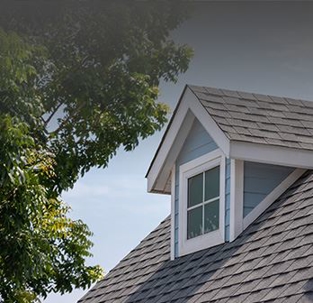
In East Trenton, the mix of mature trees and active local wildlife means your roof faces unique challenges year-round. While shade trees add curb appeal and wildlife adds personality to your neighborhood, both can threaten the integrity of your roofing system in subtle and not-so-subtle ways. Overhanging limbs and animals often target vulnerable spots first, which can quickly turn hidden problems into costly repairs. At Joe The Roofer, we’ve seen firsthand how thorough, proactive care can keep East Trenton roofs in great condition and prevent bigger headaches down the road.
What Types of Tree Limb Damage Put East Trenton Roofs at Risk?
Tree limbs hanging over your house can act like sandpaper, scraping and loosening shingles every time the wind blows. During East Trenton’s frequent storms and heavy snows, these branches can snap, falling onto the roof and causing more serious harm—cracking shingles, puncturing underlayment, or even breaking the wood deck beneath your roof. Even if a limb doesn’t break, regular contact wears down roofing materials, creating tiny entry points for water that may not show up right away.
Blocked gutters are another common problem from overhanging branches. When leaves, twigs, and seed pods pile up, water cannot flow away from the roof. This overflow finds its way under shingles, rotting the fascia or soaking attic insulation. After storms, you might see water marks on exterior walls or experience gutter overflow, both of which point toward tree-related roofing concerns.
East Trenton’s climate adds urgency to regular tree maintenance. Rapid shifts in temperature, heavy rain in the spring, and wind events in autumn all put additional stress on overhanging limbs and the roofs beneath them. North-facing roofs, often in shade from trees, are especially vulnerable to moss growth and persistent dampness. Trimming branches back promptly prevents emergencies and greatly reduces the risk of costly emergency repair work later.
Which Wildlife in East Trenton Causes the Most Roof Damage?
East Trenton roofs attract a wide range of local animals. Squirrels are the most frequent culprits, gnawing through soffits, fascia, vent covers, and even shingles to access attic spaces. As the seasons shift, especially in late summer and fall, squirrels look for safe nesting spots and will exploit even small weaknesses along the roofline. Signs of squirrel activity may include scampering noises or debris like nutshells and droppings in the attic.
Raccoons are known for their strength and persistence. Unlike squirrels, raccoons pry and tear at roof edges or push aside loose shingles in search of entry. They commonly target weaker vent covers and flashing, particularly in the spring when searching for den sites. Their damage can escalate quickly: a raccoon may undo or enlarge small gaps created by earlier storms or tree impact, allowing rainwater and additional wildlife a pathway into the home.
Birds—and occasionally bats—can also target East Trenton roofs. Birds like starlings or sparrows nest in open vent pipes or damaged fascia, while woodpeckers may create direct holes in the eaves. Bats may squeeze in behind loose trim or into attic vents. Warning signs for these animals include increased bird activity around the roof, faint scratching or chirping sounds at dusk or dawn, droppings resembling small black seeds, and debris in attics near ventilation points.
How to Spot Early Signs of Tree or Wildlife Damage on Your Roof
Early detection is the best way to halt roof wildlife damage in East Trenton before it becomes a larger issue. Begin by walking around your property after storms or each season. Search for cracked, hanging, or broken branches over the roof. Examine gutters for clogs with granules, twigs, or leaves—signs that debris is building up faster than you can clear it. From the ground or with binoculars, check for missing, curled, or discolored shingles, as well as gaps or rust near flashings and roof vents, which may indicate either tree impact or animal tampering.
Noises are another giveaway. Animals are especially active at dawn and dusk. Scratching, pattering, or even chirping sounds from the attic or upper walls suggest squirrels, raccoons, or birds may have made themselves at home. Head into your attic with a flashlight:
- Look for disturbed or shredded insulation
- Spot and identify small droppings or animal tracks in the dust
- Check for chewed wood, wires, or unusual nesting materials
- Notice musty or unusual odors—dampness from minor leaks is often the cause
Why Ignoring Tree or Wildlife Damage Leads to Bigger Roofing Problems
Letting tree or wildlife damage linger opens the door to a series of new, often more expensive, roofing problems. Water is the most urgent concern. When animals create holes or branches puncture the roof’s protective layers, water finds pathways into your attic, insulation, and even wiring. Small leaks often go undetected until they create dark stains on ceilings or cause structural wood to rot, threatening the overall stability of your roofing system and home.
Animal activity inside attics or soffits can be especially destructive. Squirrels and raccoons often tear insulation away from where it’s needed, causing heating and cooling bills to rise. Their droppings bring health hazards and foul odors, while chewed wires raise the risk of electrical fires. Moisture from leaks combines with disturbed insulation to foster mold, which spreads quickly throughout attics and even down to occupied rooms if not halted in time.
Minor tree and animal damage left unaddressed nearly always leads to more complex—and costly—repairs down the road. What starts as a small breach from a squirrel or a few missing shingles under a tree branch can result in torn roof sections, the need for replacement insulation, or even extensive drywall and ceiling repairs inside your property.
How to Prevent Wildlife and Tree Limbs From Damaging Your Roof
Effective prevention keeps roof wildlife damage and tree impact at bay. The most critical step is regular and professional tree trimming. Keeping branches six to ten feet away from your roofline reduces both direct impact risk and the accessibility of animals, such as squirrels or raccoons, to your home. Annual assessments by certified arborists or trusted tree professionals in late fall or early spring help spot weak limbs and identify issues specific to East Trenton’s climate and plant life.
Along with tree care, taking steps to wildlife-proof your home reduces future headaches. Consider these proven strategies:
- Install metal or reinforced vent and chimney covers
- Use gutter guards to prevent debris buildup and block nesting birds
- Seal gaps around soffits, eaves, and fascia with durable materials
- Inspect roof valleys, dormers, and flashings for animal-sized gaps or entry points
- Request animal-resistant options from your roofer when replacing or repairing roof sections
Routine attention to these areas tailors your roof’s defense plan to the unique risks faced by properties in East Trenton.
When to Call a Roofing Company for Wildlife or Tree Damage—and What to Expect
Some roofing challenges just can’t wait for DIY fixes. Persistent leaks, obvious entry points for animals, repeated noise or activity in the attic, or visible roof sagging are all signs it’s time to involve a professional. Unexplained interior stains or sudden weather damage also call for a thorough inspection by a trusted local roofer experienced in roof wildlife damage in East Trenton.
A reputable roofing company begins with a comprehensive evaluation. This includes:
- Inspecting all roof surfaces for missing, loose, or damaged materials
- Checking for hidden animal entry points and previously undetected weak spots
- Reviewing the health of nearby trees and identifying structural threats
- Assessing overall ventilation, insulation, and attic conditions impacted by wildlife or leaks
East Trenton’s specific weather patterns and housing styles are at the core of every repair and recommendation we make. Building lasting connections with property owners, we focus on support and clear guidance, whether dealing with a simple repair or a full roof replacement.
Why Long-Term Maintenance Matters for East Trenton Roofs
Investing in regular maintenance isn’t just about keeping your roof looking good—it’s about extending its lifespan, avoiding emergencies, and securing the long-term value of your property. Routine inspections and seasonal tree care catch early warning signs, like minor cracks or animal intrusion, before these small problems evolve into larger and more expensive issues. Addressing them quickly stops the cycle of roof wildlife damage in East Trenton and safeguards both your roof and your wallet.
Consistent roof maintenance also means lower bills. Ensuring that insulation remains in place, that leaks are swiftly fixed, and that critters are kept at bay helps maintain energy efficiency and keeps heating and cooling costs under control. For property managers and owners of older homes, this commitment to upkeep often translates into safer, healthier living spaces and better insurance coverage.
If you’re worried about tree limbs or wildlife causing roof trouble, or just want a checkup before the next big storm, call Joe The Roofer at (732) 490-7733. We’re ready to help you protect your home or business, backed by the integrity and transparency that have made us a trusted part of the East Trenton community. Contact us