Winter in New Jersey can be tough on your home, especially with the constant cycle of freezing and thawing. As the snow finally melts and the temperatures start to climb, your roof has likely endured a lot of stress from ice, wind, and heavy moisture. Taking the time to look for specific signs of wear now can prevent small issues from turning into expensive headaches later in the spring.
Why the Winter Thaw Reveals Hidden Issues
When snow sits on your roof, it acts as a heavy blanket that can hide structural strain or small gaps in your shingles. As that snow melts, the water runs down to the colder edges of your roof, where it often refreezes into ice dams. This process can force water upward and under your shingles, reaching parts of your home that are usually bone-dry.
The thaw is the moment when these hidden leaks finally make their way into your attic or ceiling. Because the wood and insulation have been cold for so long, the introduction of liquid water and warmer air creates the perfect environment for wood rot. Catching these problems early is the best way to protect your investment and ensure your home stays dry during the coming spring rain showers.
Identifying External Shingle Problems
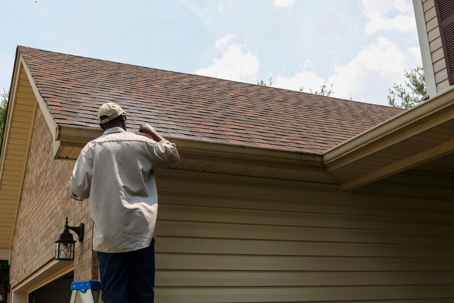
The best place to start your inspection is right from the safety of your driveway or lawn. You don't need to climb a ladder to see the most common red flags left behind by a harsh winter. Grab a pair of binoculars if you have them and scan the surface of your roof for anything that looks uneven or out of place.
High winds and the weight of ice can easily loosen or break the materials designed to shield your house. If you notice areas that look "bald" or different in color, the protective outer layer of your roof might be failing. Look specifically for these visible indicators on your shingles:
- Missing or cracked shingles: Areas where the wood or underlayment is visible to the naked eye.
- Curled edges: Shingles that are peeling upward, which usually means they are no longer shedding water properly.
- Granule loss: Small, sand-like pebbles from the shingles piling up at the bottom of your downspouts.
- Damaged flashing: Metal pieces around chimneys or vents that look bent, rusted, or pulled away from the surface.
Checking the Gutters and Drainage
Your gutters are the unsung heroes of your roofing system, especially during a big melt. When ice dams form, they often expand inside the gutters, causing the metal to stretch, sag, or even pull away from the house entirely. If your gutters aren't working correctly, water will pool around your foundation or seep into your siding.
During the thaw, watch how the water flows when it rains or as the last of the snow disappears. If you see water pouring over the sides of the gutters instead of coming out the downspouts, you likely have a blockage or structural damage. Keeping this system clear is vital for the long-term health of your exterior.
Consider these common gutter issues that often appear after a cold snap:
- Sagging troughs: Sections of the gutter that hang lower than the rest, usually caused by the weight of heavy ice.
- Disconnected joints: Places where the gutter pieces have separated, allowing water to leak directly onto your home's walls.
- Loose hangers: Fasteners that have backed out of the wood, leaving the gutters wobbly or tilted.
Searching for Interior Warning Signs
Sometimes the biggest clues aren't outside at all, but rather inside your attic or upper-floor ceilings. If you have a crawl space or attic, take a flashlight up there on a sunny day to look for "light leaks" or damp spots. Even a tiny pinprick of sunlight hitting the attic floor means water can get in, too.
Moisture travels the path of least resistance, so a leak in one area might show up as a stain several feet away. Check your insulation to see if it feels matted or damp, as wet insulation loses its ability to keep your home warm and can lead to higher energy bills.
Be on the lookout for these interior red flags:
- Dark water stains: Brown or yellow circles appearing on your ceiling or along the top of your walls.
- Musty odors: A damp or earthy smell in the attic that suggests trapped moisture is present.
- Peeling paint: Interior paint that is bubbling or flaking away near the roofline or windows.
- Sagging drywall: Ceilings that look heavy or bowed downward, indicating significant water weight.
When to Seek Professional Help
A thorough post-winter check is about more than just finding leaks; it is about extending the life of your home. By being proactive and spotting these signs of attic dampness or shingle wear early, you can often choose a simple repair over a full replacement. Small maintenance steps taken today can save you thousands of dollars in emergency repairs later in the year.
Joe The Roofer understands the unique challenges that New Jersey weather puts on your property. Our team specializes in comprehensive roof replacements and detailed inspections to ensure your home is ready for any season. Whether you need a quick fix for a leak or a total upgrade for your siding and gutters, we provide honest, transparent service to give you total peace of mind.
If you suspect your roof took a hit this winter, don't wait for the next big storm to find out for sure. Contact Joe The Roofer today for a professional evaluation and expert care, or call us at (732) 490-7733 to get started.