Winter in New Jersey brings a unique set of challenges for homeowners, particularly when it comes to the integrity of their roofs. The relentless combination of snow, ice, and frigid temperatures can conspire to cause significant damage, often subtly at first, before manifesting into larger, more costly problems. You need a clear understanding of how winter conditions impact your roof.
The Weight of Snow
While a fresh blanket of snow might look picturesque, its weight can be a serious concern for your roof. Heavy, wet snow or accumulated snow over several storms can put immense stress on your roof's structure. This is especially true for older roofs or those with pre-existing damage.
Structural Strain: Excessive weight can cause sagging in the roof deck, rafters, and trusses. In severe cases, this can lead to structural failure, though this is rare.
Shingle Damage: The sheer pressure of heavy snow can loosen or crack shingles, making them more susceptible to leaks once the snow melts.
Blocked Ventilation: Snow can also obstruct roof vents, trapping moisture and heat in your attic, which can lead to condensation issues and even mold growth.
The Insidious Threat of Ice Dams
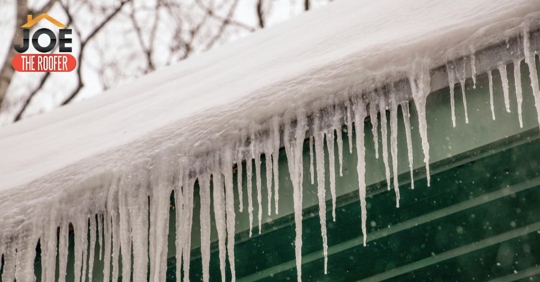
Ice dams are perhaps one of the most common and damaging winter phenomena for New Jersey roofs. They form when heat from your home escapes into the attic, warming the roof deck and melting snow. This meltwater then runs down the roof until it reaches the colder eaves, where it refreezes, creating a ridge of ice.
Water Back-Up: This ridge of ice acts as a dam, preventing subsequent meltwater from draining off the roof. The water then pools behind the dam and can back up under your shingles, saturating the roof decking and insulation.
Interior Leaks: Once water penetrates the roof system, it can lead to frustrating and damaging interior leaks, staining ceilings, damaging walls, and compromising insulation.
Gutter Damage: Ice dams can also pull gutters away from the fascia, causing them to bend, crack, or even fall off completely.
The Impact of Cold Temperatures
Beyond snow and ice, the sustained cold temperatures characteristic of a New Jersey winter also take a toll on roofing materials.
Material Brittleness: Many roofing materials, especially asphalt shingles, become more brittle in extreme cold. This makes them more prone to cracking and breaking under the stress of expansion and contraction or the impact of falling ice and debris.
Expansion and Contraction: The constant fluctuation between freezing and thawing temperatures causes materials to expand and contract. Over time, this thermal cycling can weaken seals, fasteners, and the materials themselves, leading to premature wear and tear.
Sealant Failure: Sealants used around flashing, vents, and other roof penetrations can lose their elasticity in the cold, making them more likely to crack and fail, creating pathways for water intrusion.
Proactive Measures and Professional Inspection
Understanding these winter threats is the first step towards protecting your home. While it's tempting to think your roof can handle anything, the reality is that winter conditions are incredibly taxing. Regular roof maintenance and meticulous inspection are crucial. Addressing small issues before they escalate into major problems can save you significant time, stress, and money.
If you're concerned about how winter has impacted your roof, or if you've noticed any signs of damage, don't hesitate to reach out. At Joe The Roofer, we provide thorough roof inspections and transparent recommendations to ensure your roof is ready for whatever the seasons throw at it. Give us a call at (732) 490-7733 to schedule your comprehensive roof assessment today.